Switzerland in Winter: Skiing, Snow Trains & Alpine Villages
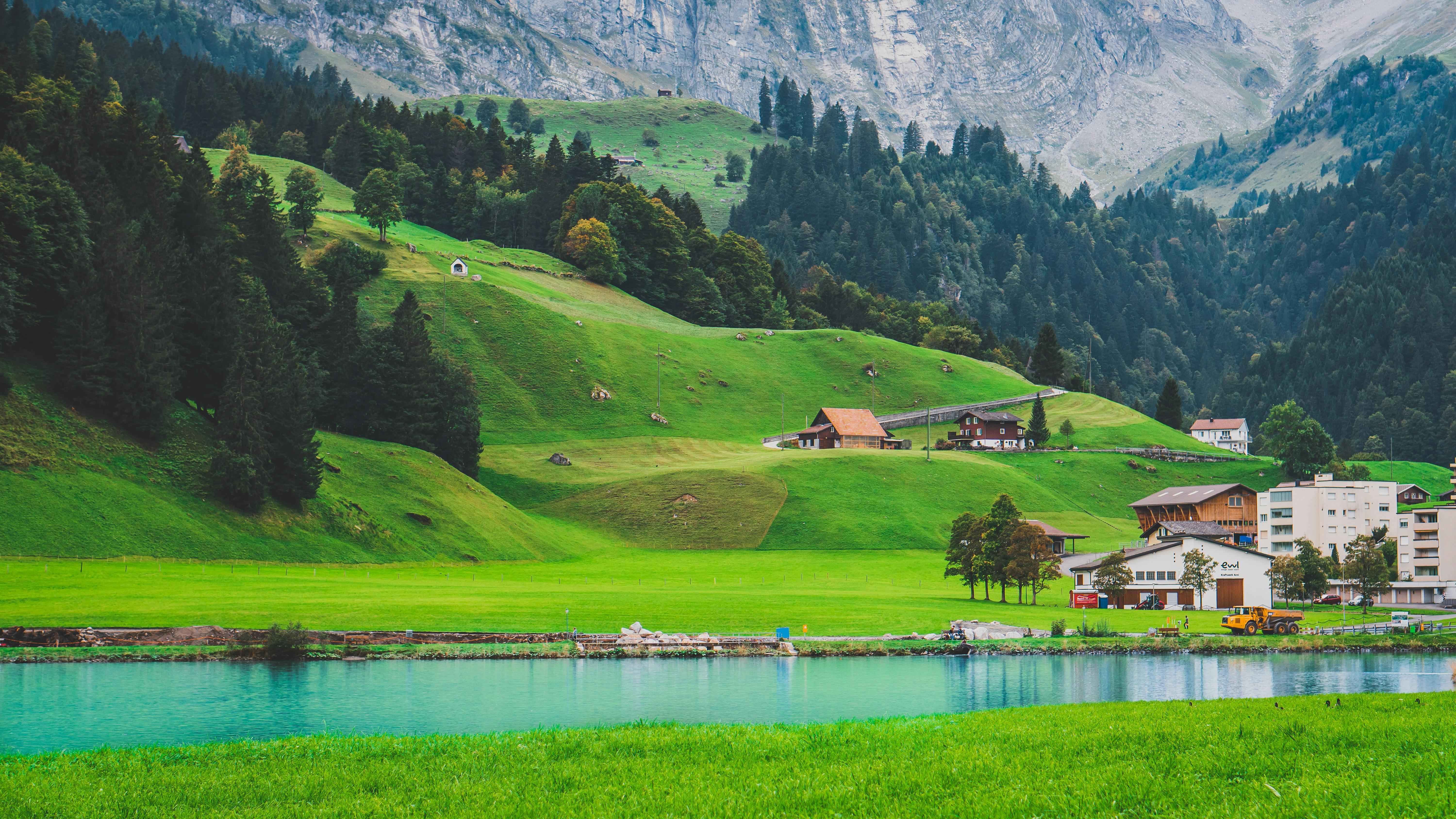
Switzerland in winter is a different country from Switzerland in summer — quieter in some regions, breathlessly beautiful, and defined by snow, fire, and the particular pleasure of a fondue after a day in the cold. For Indian travellers, it consistently ranks as the most requested European winter destination, and the infrastructure for visitors — trains, ski schools, multilingual hotels — is flawless. The cost is high by European standards; this guide helps you spend it well.
When to Go
December through March is full winter. Snow is reliable above 1,200 metres from mid-December; lower villages (Lucerne, Interlaken, Geneva) may or may not have snow cover depending on the year. January and February are the coldest and snowiest months — ideal for skiing, less ideal if you want to walk outdoor markets. The Christmas–New Year window (Dec 23–Jan 2) is peak pricing and peak crowds; rates at alpine resorts increase 30–50% and train reservations sell out weeks ahead.
Late February and March offer the best compromise: reliable snow at altitude, slightly warmer days, and post-peak pricing. March skiing in Verbier, Zermatt, or Saas-Fee is often the best of the season — settled snowpack, longer daylight, and the mountains starting to glow with afternoon light.
The Ski Resorts
Zermatt is Switzerland's most famous ski resort and genuinely deserves its reputation. The town is car-free (you arrive by cog railway from Täsch), the Matterhorn dominates every skyline view, and the skiing is among the best in the Alps — 360km of runs, some extending across the border into Italy. Skiing here is expensive (lift passes around CHF 100/day) but the infrastructure and snow reliability (Zermatt has glacier skiing and runs until April–May) are unmatched. For non-skiers, the Gornergrat rack railway at sunrise for a Matterhorn view is one of the great visual experiences of European travel.
Verbier attracts serious skiers and the après-ski crowd equally. Steep off-piste terrain, long runs, and a vibrant village. Less photogenic than Zermatt but technically more interesting for advanced skiers. The 4 Vallées ski area connected to Verbier is one of the largest in Switzerland.
Grindelwald and Wengen in the Bernese Oberland are more accessible from Interlaken and less expensive than Zermatt or Verbier. The Jungfrau ski region offers excellent beginner and intermediate terrain, and the Jungfraujoch (the "Top of Europe" at 3,454m, reached by cogwheel railway) is a non-ski experience worth doing once. Grindelwald itself is a functional, beautiful alpine village rather than a resort town.
Engelberg, 45 minutes from Lucerne, is Switzerland's most accessible ski resort from the major cities and one of the most underrated. Titlis Mountain (3,239m) has year-round glacier skiing, and the cable car system is modern. It's a genuine Swiss village rather than a purpose-built resort, which makes it pleasant to spend time in after skiing.
The Scenic Train Journeys
Switzerland's train network in winter is one of its great pleasures — heated carriages, panoramic windows, and landscapes that look like watercolour paintings.
The Glacier Express (St. Moritz to Zermatt, 8 hours) is marketed as "the world's slowest express" and runs year-round. It crosses 291 bridges and 91 tunnels through the heart of the Alps. Reserve seats in the panoramic dining car for the full experience. Book 6–8 weeks ahead in winter; this train sells out.
The Jungfrau Railway from Grindelwald or Wengen up to Jungfraujoch passes through the inside of the Eiger mountain — an extraordinary engineering feat visible through rock-window stations carved into the cliff face.
The Golden Pass Line (Montreux to Interlaken or Lucerne) runs through lakeside towns and then climbs into the pre-Alps. Less famous than the Glacier Express but arguably more varied scenery, and no reservation fee required.
The Swiss Travel Pass (available to non-Swiss residents) covers unlimited travel on trains, buses, boats, and many mountain railways for 3, 4, 6, 8, or 15 days. For a 7–10 day winter itinerary moving between multiple regions, it's almost always more economical than point-to-point tickets.
Non-Ski Winter Experiences
Not every visitor skis, and Switzerland has genuine winter experiences for non-skiers. Lucerne in winter — the covered wooden Chapel Bridge over the Reuss river with snow on the surrounding mountains, the Christmas market in the old town, fondue at a lakeside restaurant — is as beautiful as any winter city in Europe.
Bern's arcaded medieval streets (the Lauben) mean you can walk the entire old city in rain or snow without an umbrella. The Rose Garden above the old town has a view over the Bernese Alps that is genuinely one of Switzerland's finest urban vistas.
Snowshoeing in the Bernese Oberland or Engadin valley is accessible to anyone reasonably fit, requires no prior experience, and takes you into landscapes that ski lifts and walking trails both miss. Guided half-day circuits are available from most alpine resorts.
Practical Notes for Indian Travellers
Switzerland is part of the Schengen Area. Indian passport holders require a Schengen Type C visa, which can be applied through the Swiss VFS centre in major Indian cities. Processing takes 10–15 working days; apply 4–6 weeks before travel. Switzerland requires proof of sufficient funds (approximately EUR 100/day is the standard guidance), confirmed accommodation, return flights, and travel insurance with minimum EUR 30,000 medical coverage.
Flights from India to Geneva or Zurich operate with one stop via Emirates, Lufthansa, or Swiss Air. Flight time is 9–11 hours. Zurich is the more efficient arrival point for central and eastern Switzerland; Geneva for western Switzerland (Verbier, Montreux, Lausanne).
Switzerland is expensive. Budget CHF 200–300/person/day for accommodation, meals, and transport (excluding ski lift passes). The Swiss franc is approximately INR 95–100. Credit cards are accepted almost everywhere; carry some cash for mountain huts and smaller village restaurants.
Plan Your Swiss Winter Trip with EternalMiles
We manage Schengen visa documentation, Swiss Travel Pass procurement, resort hotel bookings, and ski school reservations across Zermatt, Grindelwald, Engelberg, and Verbier. Talk to our team or browse Switzerland holiday packages.