The Ultimate Maldives Guide: Best Atolls, Resorts & Hidden Gems
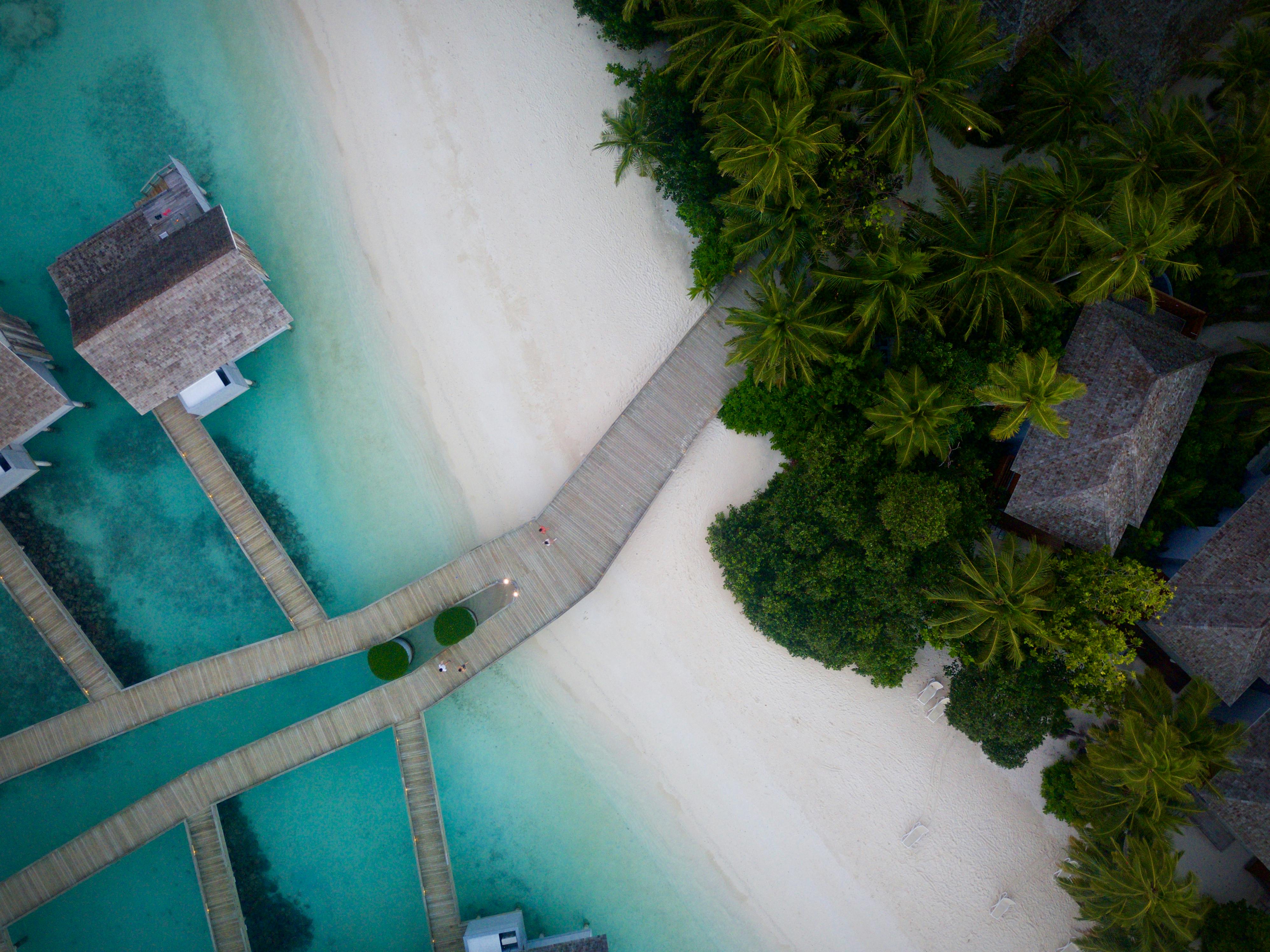
The Maldives is not one destination — it is 26 coral atolls, 1,200 islands, and hundreds of resorts spread across 90,000 sq km of the Indian Ocean. Choosing the right atoll and resort tier shapes your entire experience. This guide covers what our travellers ask most: which atoll suits them, how to decode "all-inclusive," and where the genuine hidden gems still are.
Understanding the Atolls
Most visitors land at Velana International Airport in Malé and then transfer to their resort. The atoll you choose determines how long that transfer takes — and what marine life and scenery you encounter.
North Malé Atoll is the most accessible. Speedboat transfers run 20–45 minutes and cost a fraction of a seaplane. It suits first-time visitors, families with young children, or anyone who wants to dip into Malé for day trips. Resorts here include some of the most famous names in Maldivian hospitality.
South Malé Atoll sits just below the equatorial channel. Slightly fewer resorts mean less crowding, and the reef quality is excellent for snorkellers. Transfers are 40–60 minutes by speedboat. Good for couples who want quiet without the expense of a seaplane.
Ari Atoll (Alif Alif & Alif Dhaal) is the diver's atoll. Whale sharks congregate here year-round, and hammerhead sightings are common on the outer reef walls. Seaplane is usually required (25–35 min from Malé), which adds USD 400–600 per person return to your trip cost. Worth every rupee if diving is the reason you came.
Baa Atoll holds a UNESCO Biosphere Reserve and is home to Hanifaru Bay — the world's largest known manta ray feeding aggregation, active June–November. Seaplane transfer is 30–40 minutes. One of the most genuinely awe-inspiring wildlife experiences on earth, if your dates align.
Lhaviyani Atoll in the far north is underrated. Fewer resorts, pristine reef systems, competitive pricing, and a loyal repeat-visitor following. Seaplane transfers run 40–50 minutes. If you're returning to the Maldives and want somewhere different, start here.
Choosing Your Resort Tier
The Maldives spans every budget category, though "budget" here is relative to Indian Ocean standards.
Guesthouses on local islands (Maafushi, Dhigurah, Thulusdhoo) offer rooms from USD 80–150/night and are a legitimate way to experience the Maldives affordably. You'll share the beach with locals, need to respect modesty dress codes, and organise excursions yourself — but snorkelling, diving, and surfing are all excellent and accessible. No alcohol is served on local islands.
Mid-range resort islands at USD 300–600/night offer overwater or beach villas, house reef access, and at least one restaurant and a bar. These strike the best value balance for most Indian couples and families. Look for resorts where speedboat transfer is possible — seaplane costs can erase your savings.
Luxury resort islands at USD 800–3,000+/night are where the Maldives delivers its iconic promise: your own overwater villa, glass-floor bathtub, private plunge pool, butler service. Names like Soneva Fushi, Gili Lankanfushi, and Six Senses Laamu operate here. These properties justify the spend if a once-in-a-decade trip is the goal — not if you're going for the Instagram image alone.
Seaplane vs. Speedboat vs. Domestic Flight
Transfer type is the hidden cost most brochures bury in the fine print.
Speedboats run in daylight hours, take 20–90 minutes, and typically cost USD 50–120 per person return. They're rougher in choppy seas (May–October) and dark at night, so late arrival flights create complications. Many North and South Malé Atoll resorts use speedboat-only transfers.
Seaplanes operate sunrise to sunset, offer spectacular aerial views, and cover longer distances in 25–50 minutes. Cost: USD 350–650 per person return. They're weather-dependent — cloudy days cause delays — and operate from a dedicated terminal separate from the main airport, requiring a 30-minute boat ride to reach.
Domestic flights (Maldivian Air Taxi, Trans Maldivian) reach the northern and southern atolls when seaplanes aren't practical. A short domestic flight (30–45 min) followed by a speedboat is often cheaper and more reliable for remote atolls.
When comparing resorts, always calculate the full door-to-door transfer cost before deciding. A USD 200/night saving evaporates against USD 500/person seaplane fees for two people over seven nights.
What "All-Inclusive" Actually Means
Maldives "all-inclusive" packages vary enormously. At a minimum, most include breakfast and dinner. But full AI — covering lunch, minibar, premium spirits, non-motorised watersports, snorkelling equipment, and excursions — is a different product entirely and commands a significant premium.
Before booking, confirm: Does AI include alcohol? Are excursions (dolphin watching, sunset fishing, snorkelling trips) covered or charged separately? Is the house reef accessible without a guide? Are motorised watersports — jet skis, banana boats — included? The answers vary wildly between properties.
We review package terms line by line for our clients and negotiate direct contracts with resorts, which regularly surfaces better inclusions than the brochure advertises.
Best Time to Visit
The Maldives has two seasons shaped by the monsoon: the dry northeast monsoon (November to April) and the wet southwest monsoon (May to October).
November to April is peak season — clear skies, calm seas, excellent visibility for diving and snorkelling. Prices are highest December–January and around Indian school holidays. Book 3–4 months ahead for preferred resorts.
May to October brings more cloud, some rain (usually short, sharp showers rather than sustained downpour), and rougher seas on the western side of atolls. Prices drop 20–40%, and certain marine experiences — manta rays at Hanifaru Bay, whale shark aggregations — peak during this period. Experienced Maldives travellers often prefer the shoulder months (May, October) for value without significant weather compromise.
Hidden Gems Worth Knowing
Fuvahmulah in the far south is a single-island atoll — geographically unique — with thresher sharks and tiger sharks visible on dive sites year-round. Almost no mass-market tourism has reached it. Access requires a domestic flight from Malé (45 min) but rewards serious divers with experiences unavailable elsewhere in the country.
Addu Atoll (Seenu) at the southernmost tip of the country has WWII British naval history, accessible wreck diving, and a relaxed local-island culture. Prices are substantially lower than the central atolls, and the coral has recovered well from recent bleaching events.
Rasdhoo Atoll off Ari is a small atoll with one of the most consistent hammerhead shark dive sites in the country (Hammerhead Point, early morning dives). It's often overlooked because the handful of resorts there don't have the marketing budgets of the larger properties.
Practical Notes for Indian Travellers
Indian passport holders receive a 30-day visa on arrival at no cost — one of the simpler entry processes in the region. The Maldives accepts USD and local rufiyaa; credit cards are accepted at resorts but bring USD cash for local islands. Mobile roaming works, though many resorts deliberately offer slow Wi-Fi as a "digital detox" feature — confirm speeds if you need to stay connected.
Direct flights operate from Mumbai, Delhi, Bengaluru, and Chennai on IndiGo, Air India, and GoFirst. Flight time is approximately 3 hours from western India, 3.5–4 hours from the north. Always fly into Velana (MLE) — not Gan, which serves the far southern atolls.
Plan with EternalMiles
We've sent hundreds of Indian travellers to the Maldives and know which resort the brochure oversells and which punches above its price. We negotiate packages that match your actual travel dates, preferred atoll, and realistic budget — not a one-size-fits-all bundle.
Ready to shortlist resorts? Contact our team or browse our Maldives holidays for curated itinerary ideas. You can also call us directly at +91 70181 37240.