Dubai on a Budget: How to Experience Luxury for Less
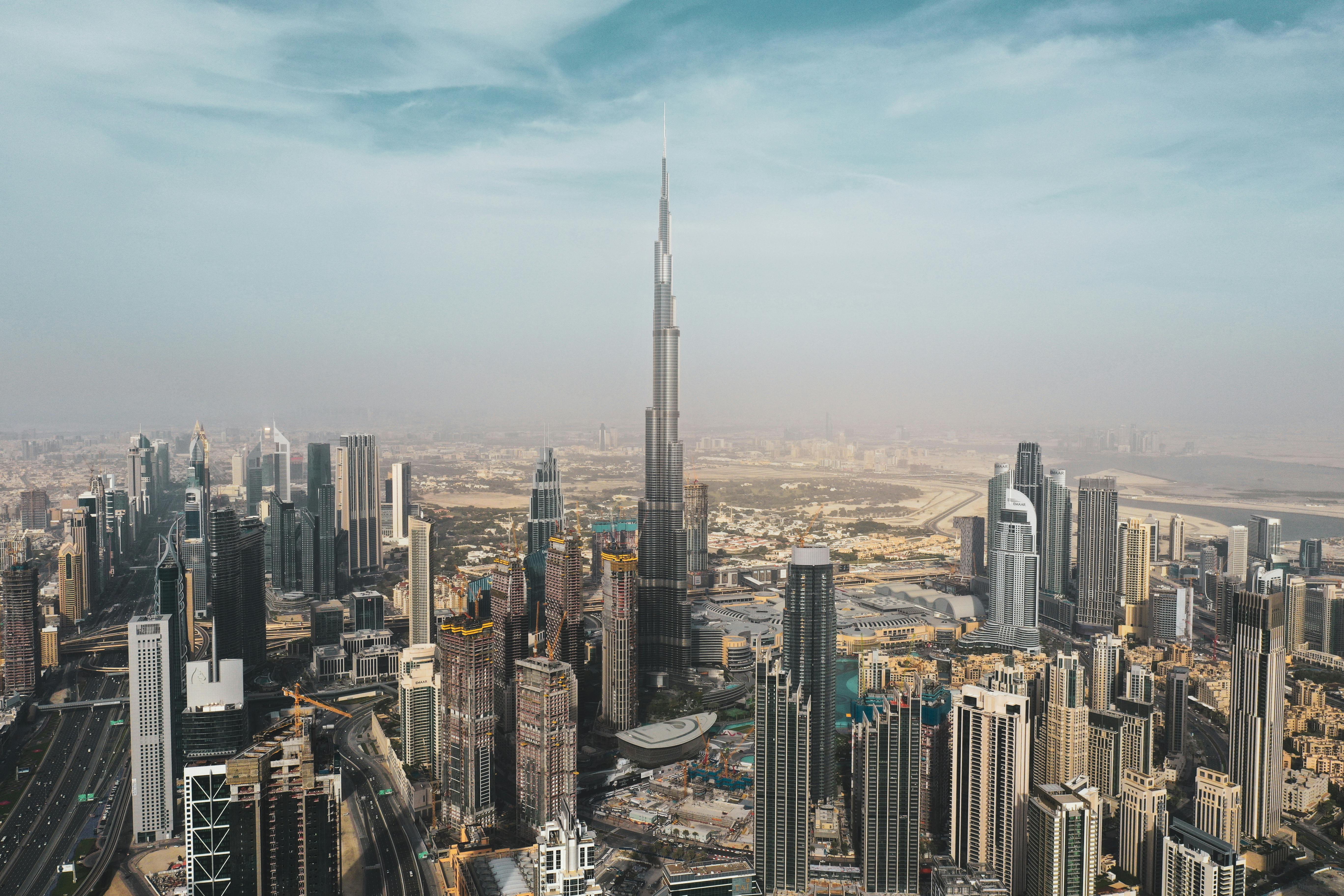
Dubai has a reputation for excess — and it earns it. But the city also has free beaches, subsidised public transport, a world-class souq culture, and a food scene that runs from USD 1 shawarmas to USD 500 tasting menus. The difference between an expensive Dubai trip and a value one is knowing which parts of the city to prioritise and when to go.
Best Time to Visit (and When to Avoid)
November to March is the sweet spot: temperatures are 20–28°C, outdoor attractions are fully open, and the Dubai Shopping Festival (typically late December to late January) brings genuine retail discounts and free events across the city. Hotel rates are highest in December and early January — book 2–3 months ahead for value.
Avoid May to September unless your trip is entirely indoors. Temperatures reach 42–46°C with near-100% humidity and outdoor activities become impractical or closed. However, summer hotel rates can drop 40–60%, making it viable for travellers whose itinerary is malls, museums, and indoor dining.
During Ramadan (dates shift annually), restaurants are closed until iftar, alcohol is restricted in public, and the city operates at a slower pace. Ramadan evenings are actually a wonderful time to experience the city — iftar spreads are generous and atmospheric, hotel buffets are exceptional, and crowds are thinner at major attractions.
Free and Low-Cost Attractions
JBR (Jumeirah Beach Residence) is Dubai's best free public beach — clean, with views of the Palm, lifeguards on duty, and The Walk shopping strip immediately behind it. Bring your own towels and chairs to avoid the paid lounger fees.
The Dubai Creek and Al Seef is the historic heart of the city. Take an abra (traditional wooden ferry) across the creek for AED 1 — one of the best-value experiences in the city. The adjacent Al Seef promenade, Gold Souk, and Spice Souk are all free to explore.
Dubai Frame base view — the Frame itself charges AED 50/person to enter, but the view of the structure from Zabeel Park is free and striking, particularly at sunset and after dark when it's illuminated.
Jumeirah Mosque offers guided open-house tours (AED 35) that include a presentation on Islamic culture and architecture — one of the most genuine cultural experiences in an otherwise commercial city.
Dubai Marina walk at sunset, the waterfront promenade, and the surrounding skyline cost nothing and are genuinely beautiful. Combine it with a walk to JBR for a half-day itinerary that costs only what you eat.
Where to Eat Well Without Overspending
The Deira and Bur Dubai districts are where residents eat. Al Muraqqabat Street and the surrounding area has Indian, Pakistani, and Levantine restaurants with full meals for AED 20–40. Ravi Restaurant near Satwa is a decades-old institution with excellent Pakistani food under AED 30 a head.
Shawarma from street stalls across Deira and Al Qusais costs AED 5–8 and is genuinely excellent. Food courts inside older malls (Deira City Centre, BurJuman) have far better value than the restaurants in Dubai Mall or Mall of the Emirates.
For a splurge that's still reasonable: many five-star hotel brunches run AED 250–350 per person including soft beverages and cover three hours of unlimited food across multiple cuisines. Against a la carte fine dining at those same hotels, it's genuinely good value.
Getting Around Without Taxis
Dubai Metro (Red and Green lines) connects the airport to Downtown, Dubai Mall, Marina, and JBR for AED 3–8 per journey. A Nol card (AED 25 including AED 19 credit) covers metro, buses, and water taxis. For the airport, the metro is almost always faster than a taxi during peak hours.
Taxis are metered and reasonably priced by global standards (AED 12 flag-fall, roughly AED 1.80/km), but costs accumulate across a week. A combination of Metro plus occasional taxis cuts transport costs by 50–60% compared to taxis only.
The RTA Bus F55 connects the airport to Al Ghubaiba (Bur Dubai) directly for AED 5 — useful for travellers staying in Deira or Bur Dubai who aren't near a Metro station.
Value Accommodation Zones
Downtown Dubai and Palm Jumeirah are the prestige addresses and priced accordingly. For value, Deira and Bur Dubai have dozens of clean three- and four-star hotels within walking distance of the souks and metro, typically AED 200–400/night. Al Barsha (near Mall of the Emirates) offers mid-range hotels with easy Metro access for AED 300–500/night.
For families, hotel apartments in JVC (Jumeirah Village Circle) or Sports City offer full kitchens, multiple bedrooms, and pool access for substantially less than equivalent hotel rooms in central locations.
Shopping Smart
Dubai Shopping Festival (December–January) is the legitimate time to buy electronics, gold, and branded goods at the best prices. The Gold Souk in Deira prices gold by international spot rate plus a small making charge — it's genuinely competitive for 22K jewellery. Bargaining is expected in the souks; starting 20–30% below the asking price is standard.
The Dubai Outlet Mall (near Al Ain Road, 30 minutes from Downtown) stocks major international brands at 30–70% off. It's worth the journey if branded clothing is on your list.
Practical Notes for Indian Travellers
Indian passport holders receive a visa on arrival for 14 days (free) or can apply for a 30-day tourist visa online (USD 90–120 via airlines or registered agents). The UAE Dirham is pegged to the USD at approximately AED 3.67. Exchange rates at airport counters are poor — use an ATM or authorised exchange in the city (Al Ansari, UAE Exchange).
A local SIM card (Etisalat or du) with a 5GB data pack costs AED 50–100 and is worth buying at the airport if you're staying more than a few days.
Plan Your Dubai Trip with EternalMiles
We handle Dubai trips at every budget level — from four-night value packages to multi-generational luxury stays. We know which hotels negotiate group rates, which tours are worth the price, and which "must-do" experiences can be skipped. Talk to our team or explore Dubai holiday packages.