Bali Beyond the Tourist Trail: Hidden Temples, Beaches & Villages
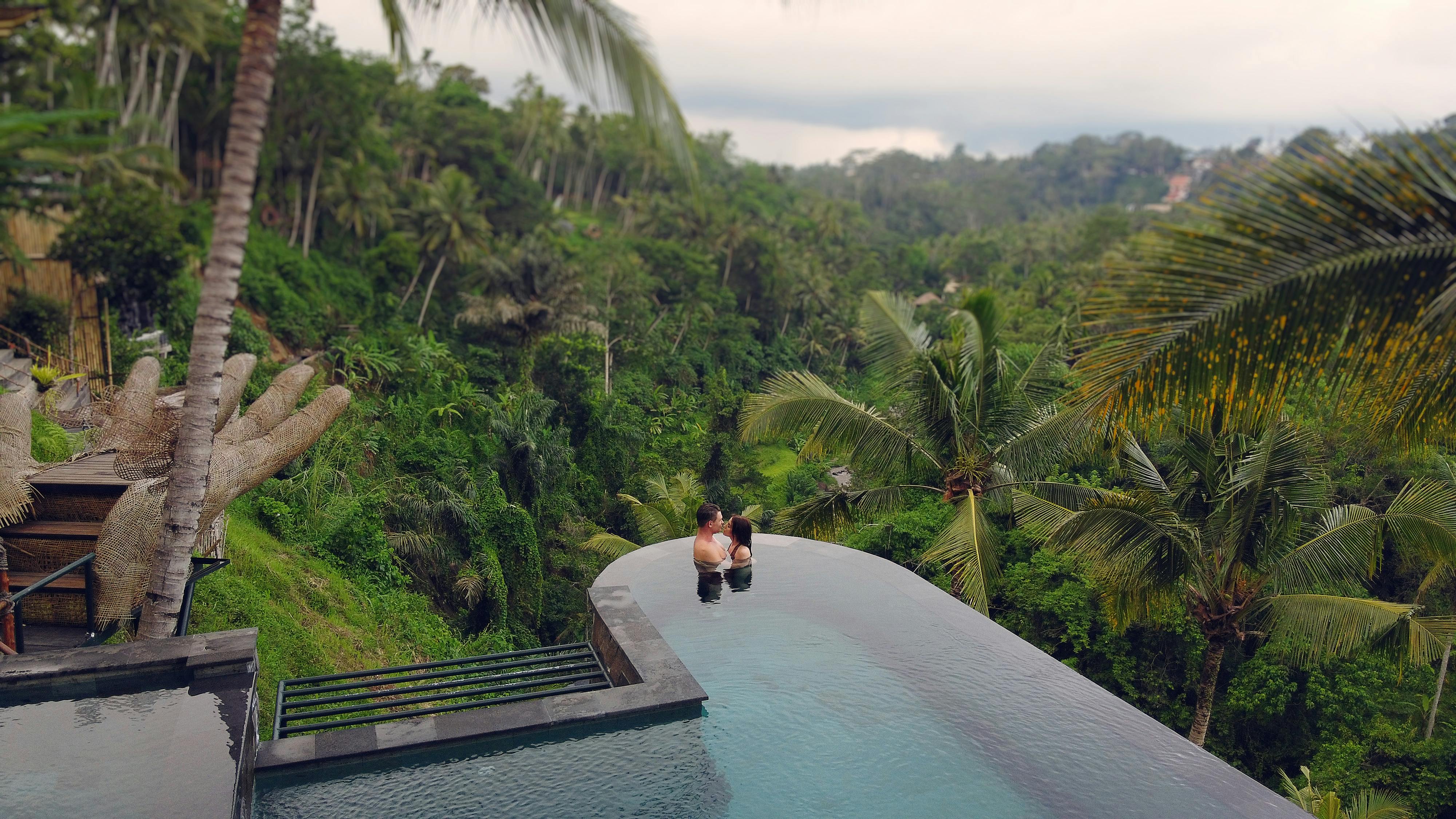
Most first-time visitors to Bali see Kuta's nightlife, Seminyak's beach clubs, and Ubud's monkey forest — and come away thinking they've seen the island. They've seen the surface. The real Bali is quieter, stranger, and considerably more beautiful: medieval mountain villages, black-sand beaches with nobody on them, and temples where ritual ceremony still happens daily without a tourist in sight.
Ubud's Outer Reaches
Ubud itself has become crowded, but the valley and hills surrounding it are extraordinary. Sidemen Valley, 1.5 hours east of Ubud, has rice terraces that rival Tegalalang's but with almost no foot traffic. The road through Sidemen passes working farms, small warung (roadside restaurants), and the occasional traditional compound open to respectful visitors. Stay overnight to experience the dawn light over the paddy fields — a detail day-trippers miss entirely.
Tirta Gangga, a royal water palace with tiered fountains and bathing pools, sits in far east Bali near Karangasem. It's on most "hidden gems" lists but still sees far fewer visitors than the western circuit. The surrounding rice terraces can be walked independently, and the village of Abang nearby is a genuine community with no tourism infrastructure.
Goa Gajah (Elephant Cave) near Ubud is ancient and atmospheric — a carved cave mouth from the 9th century — but most visitors spend 20 minutes and leave. The bathing pools behind the cave, and the forest path leading down to a ravine, are where the real site is. Arrive before 8am to have it almost entirely to yourself.
Temples That Are Still Sacred
Pura Lempuyang Luhur in east Bali is the source of Bali's most-photographed image — the "Gates of Heaven" framing Mount Agung. The gate is real; the perfect reflection in many photographs is achieved with a mirror held by the photographer's assistant. Regardless: the temple complex itself is spread across seven levels up a steep hillside, and the ascent through jungle with only the sound of bells and incense is worth every step. Go before 7am.
Pura Besakih, the "Mother Temple" on the slopes of Mount Agung, is the largest and holiest temple complex in Bali. It's not hidden — but it rewards visitors who take a local guide (hire one at the entrance, not from touts outside) rather than wandering the outer courts alone. Ceremony happens here constantly; with a guide, you can observe from appropriate respectful distances.
Pura Tanah Lot is heavily photographed and crowded at sunset — but at low tide in the early morning, when you can walk across to the sea temple rock base, it's a completely different place. Arrive at 7am rather than 5pm and you'll see why it became famous in the first place.
North Bali: The Undiscovered Side
The north coast — accessible via a 2.5–3 hour drive from Kuta or Ubud over the central mountains — operates at a completely different pace. Lovina is a low-key beach town with black volcanic sand, dolphin watching at dawn (genuinely wild, not staged), and almost no nightlife. It's what Bali was in the 1980s.
Munduk, in the central highlands between north and south Bali, is a cloves and coffee farming village at 900 metres elevation. The temperature drops 8–10°C from the coast, jungle waterfalls are walkable from the main road, and the twin lakes of Buyan and Tamblingan are visible from ridge-top paths. Accommodation here is simple homestays at rupiah prices.
Amed and Tulamben in northeast Bali are the island's best dive and snorkel spots. The USAT Liberty shipwreck at Tulamben sits in 3–30 metres of water and is accessible from the shore — no boat required. Coral gardens at Amed are intact and colourful, and the black sand beaches are uncrowded. The drive along the northeast coast via Amlapura is spectacular.
Beaches Without the Crowds
Nyang Nyang Beach in the Bukit Peninsula (south Bali, near Uluwatu) requires a 20-minute walk down steep cliff stairs to reach. The effort filters out almost all visitors. The beach is white sand, the surf is powerful but the shore break is swimmable at low tide, and you'll often share it with fewer than ten people.
Bias Tugel (also called Pantai Kecil) near Padangbai on the east coast is reached via a short walk through a forest. It's a small cove — 200 metres of white sand — with calm water suitable for swimming, and snorkelling gear rentals from a single warung on the beach.
Virgin Beach (Pantai Perasi) near Karangasem in the east is the most complete package: white sand, calm blue water, palm trees, one restaurant serving fresh grilled fish. The road to reach it is rough — 4km of potholed track from the main road — which is exactly why it remains quiet.
Village Culture Worth Experiencing
Tenganan Pegringsingan near Candidasa is one of the oldest Bali Aga (original Balinese) villages. It's a walled community that has resisted integration with the wider Hindu Balinese culture for centuries. The village produces the rare double-ikat cloth (geringsing) — woven simultaneously from both warp and weft — that takes years to complete and is considered sacred. Visitors can walk through the village freely; residents are courteous but this is a living community, not a museum.
Penglipuran Village near Bangli is famous for being exceptionally clean and well-preserved, with bamboo-lined lanes and traditional compounds. It receives more visitors than Tenganan but remains genuinely inhabited and maintains strong community rules around architecture and land use.
Getting Around and Practical Logistics
A private driver for the day costs IDR 500,000–700,000 (approximately INR 2,500–3,500) and is the most practical way to reach the sites outside the main tourist corridors. Scooter rental is IDR 70,000–100,000/day and suits confident riders for shorter distances, but the mountain roads require experience and the risk level is higher than most travellers anticipate.
Indonesian passport holders and most foreigners including Indians receive a 30-day visa on arrival (USD 35) at Ngurah Rai International Airport in Denpasar. This is extendable once for an additional 30 days via the immigration office in Renon. Direct flights from India (Mumbai, Delhi, Chennai, Hyderabad) operate on several carriers; Bali-bound connections also run through Singapore and Kuala Lumpur.
Best time to visit: April–June and September–October (shoulder seasons) offer the best balance of dry weather, manageable crowds, and competitive hotel rates. July–August is peak season — hot, humid, expensive, and busy. December–March is the wet season, though rain typically falls in afternoon showers rather than all-day downpours.
Plan Your Bali Trip with EternalMiles
We build Bali itineraries that combine the iconic with the genuinely off-the-beaten-track — not just a checklist of Instagram coordinates. Talk to our team or browse our Bali holiday packages for curated ideas.